
Flower Knows Strategy: How a Chinese Beauty Brand Goes Global
Updated: Sep 17, 2025
Key Takeaways
Keep the product identity coherent, but localise how customers discover, evaluate and buy it.
The 2026 Ulta rollout is a limited-time multi-brand retail placement, not a network of brand-owned stores.
Judge overseas progress by repeat orders, inventory exposure and channel economics as well as audience reach.
Flower Knows (花知晓), founded in China in 2016, built its identity around fairytale-inspired makeup and intricate packaging. The strategic question for other founders is how that recognisable product world becomes a functioning business in another market. The Flower Knows Strategy offers a useful case in connecting a consistent identity with locally relevant distribution.

Its international story has moved beyond social-media discovery. The next challenge is making the product easy to find, try and replenish without weakening the identity that first made people notice it.
Japan remains part of its overseas footprint, alongside markets in Southeast Asia, Europe and North America.
In its September 2026 company announcement, the brand dated its US retail debut to 2023. That is distinct from first selling online into the market.
On September 23, 2026, Flower Knows announced a limited-time rollout into 450 Ulta Beauty stores through the retailer's Just Dropped Beauty programme, which debuted on September 20. This is a rotating retail placement, not 450 permanent brand-owned stores. It is evidence of distribution access, not proof of profitable sell-through.

Why does the Flower Knows Strategy travel across markets?
How does a distinctive audience shape product decisions?
Flower Knows began by speaking directly to the ACG (anime, comic, game) community, where its fantastical packaging immediately resonated. Once established, the brand strategically expanded its appeal to students and entry-level beauty users - a demographic with limited spending power but high sensitivity to aesthetics. By positioning itself as both approachable and aspirational, Flower Knows successfully captured a wide yet clearly defined audience.

Why does a consistent product world matter?
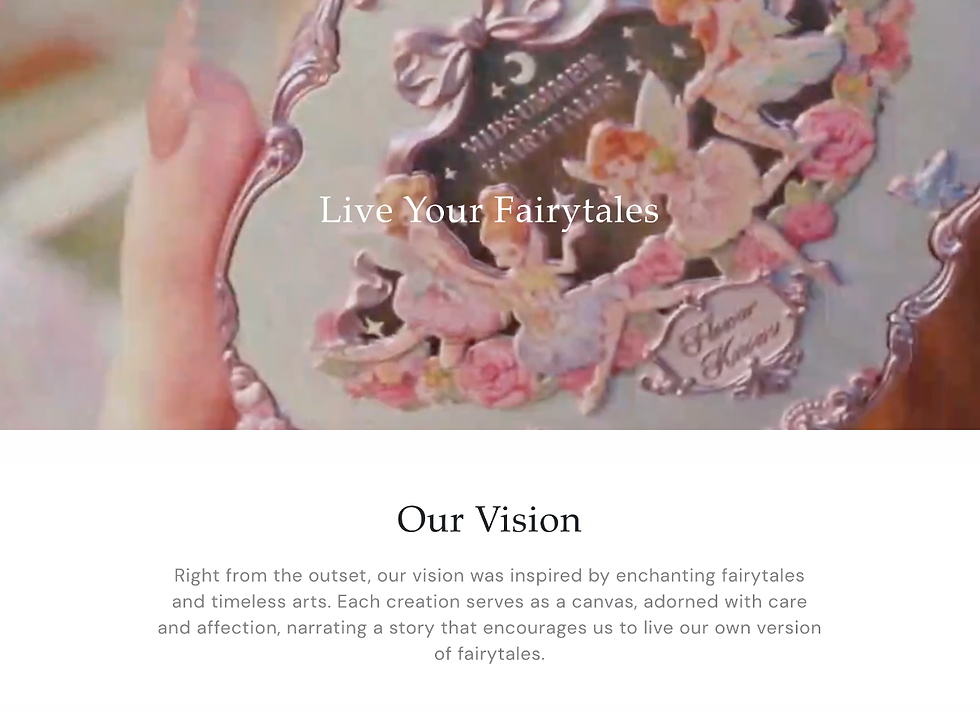
While many Chinese beauty labels leaned heavily into guochao (national chic) or sleek modern luxury, Flower Knows carved out a different lane: 少女心. Its core proposition is escapism and emotional resonance, delivered through the slogan “Live Your Fairytales.” For a generation of young consumers navigating high academic and career pressures, the brand’s whimsical storytelling offers not only products, but also a sense of identity and emotional relief. In an increasingly crowded beauty market, this differentiation has proven invaluable.
What must change when the brand enters another market?
The visual language can remain consistent while assortment, product explanation and the route to purchase change. This is where localisation becomes an operating task rather than a translation exercise.
Japan is a useful reminder that local execution includes promotion mechanics and customer expectations. The Japanese official shop's September 2026 Snow Ballet preorder notice revised its gift offer after identifying a risk that the earlier terms could exceed local premium limits. This does not describe the whole Japanese business, but it makes the operating point concrete: even a collection with a global visual identity needs locally reviewed offers and clear fulfilment terms.
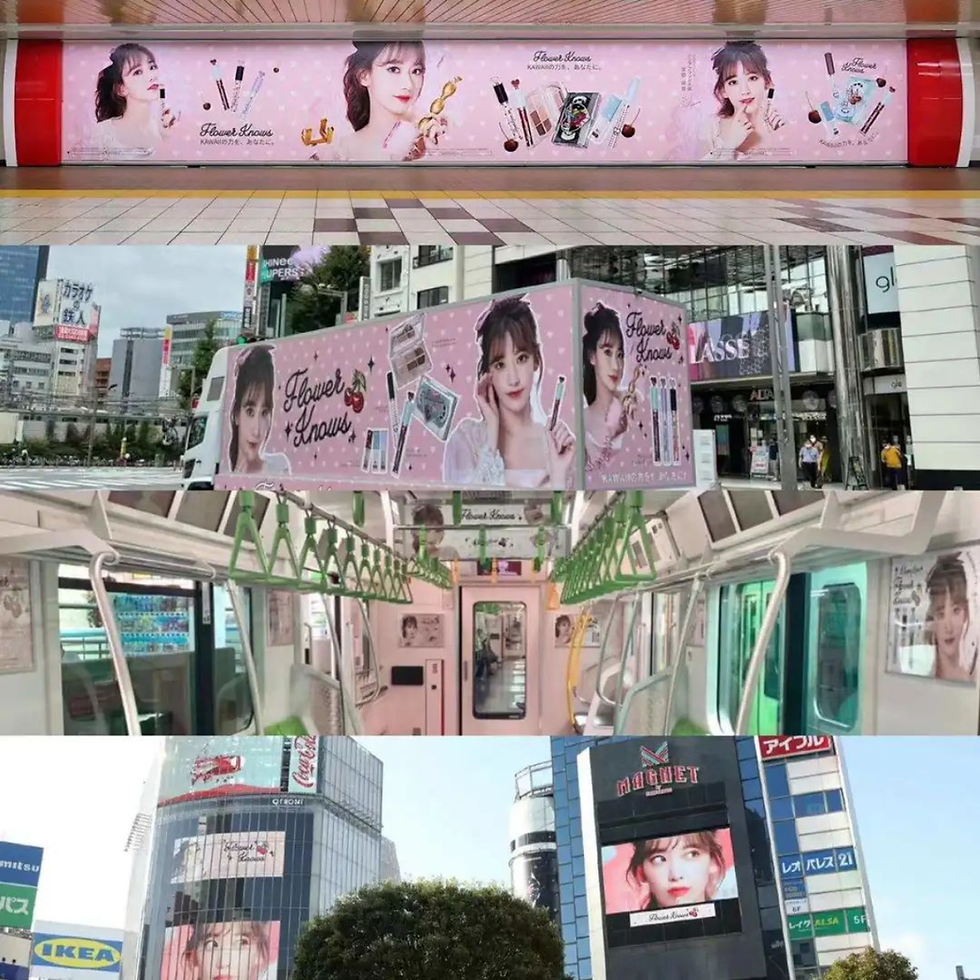
In the US, social attention now connects with multi-brand retail and experiential activity. A shopper who discovers a collection online may still want to see its colours, texture and packaging in person. Our reading is that physical availability can reduce that purchase friction, while community activity sustains interest between launches. Neither mechanism, on its own, establishes repeat purchasing or healthy margins.


What should beauty founders test before copying this strategy?
Start with the part of the brand that is difficult to substitute. For Flower Knows, the coherence between packaging, product names and collection imagery makes the offer recognisable. Copying the decorative surface without the underlying product and audience logic would reproduce the appearance of the strategy rather than its commercial rationale.
Then test whether overseas demand survives the full delivered price and the customer's actual buying conditions. Retail partners need an assortment that can sell through, replenishment they can depend on and product information their staff can use. A brand should assess repeat orders, inventory exposure and channel contribution before treating a placement as a template for further expansion.
Learn more about Chinese beauty brands, check out our previous articles:
How should founders choose the next channel?
The choice is not simply online versus offline. A founder needs to decide which constraint the next channel solves: awareness, trust, product trial, local delivery or repeat purchase. If awareness is high but conversion is weak, more impressions may not be the missing ingredient. A selective retail trial can be useful when the product benefits from being handled in person, provided the inventory commitment is proportionate to the evidence.
Compare the portfolio and local-execution questions in our Joy Group and Judydoll case, the product-and-channel sequence in our VIVAIA analysis, and the demand-led expansion discussed in our Songmont case. These are different ways to organise growth, rather than interchangeable success formulas.
For an emerging brand, the useful lesson is to make the next investment conditional. Agree in advance which repeat-order, stock and channel-economics signals justify a larger commitment. A distinctive aesthetic can open the conversation; an operating system has to sustain it.
Double V is a cross-border operating partner and intelligence house for emerging consumer brands, based in Hong Kong and Shenzhen. We help brands connect China and the world through three businesses: Brand Operation (marketing and distribution for brands on retainer), Brand Incubation (sister company Glam Infinite and our own-built brands), and Industry Intelligence (cross-border research and reports). Talk to our team.


Comments